A substantial number of men have succumbed to internalized unresolved emotional trauma. From birth, males are socialized to assume leadership roles and take charge, as well as being indoctrinated with the notion that showing emotions is indicative of weakness. They are conditioned to believe their primary purpose in life is providing for and protecting their families. When they fail to meet these expectations, they are judged, labeled as failures, and denied the respect they deserve within their marriages and the broader society.
Despite the fact that fueled by a huge ego, men are emotionally weaker than women, societal and traditional norms still insistently dictate that men must be strong and resilient in the face of daily challenges, making internalizing their pain and concealing emotional vulnerabilities appear to be a sign of strength; this is a misconception that has sent many men to their early graves.
The belief that men must be strong inhibits the necessary outlet for emotional expression and release, culminating in the accumulation of unresolved emotional trauma over time. Ultimately, this can trigger an emotional implosion, overwhelming even the most resilient individuals and potentially leading to severe health complications, including sudden death. Women should encourage their men to seek help to resolve emotional issues because unresolved emotional trauma surfaces as a hostile and abusive marital environment which will ultimately kill your husband and even you.
In marriage, the same applies, men endure and internalize their issues in contrast with their female counterparts. When men engage in infidelity or abuse their spouses, women are encouraged to speak out, seeking support from friends, pastors, counselors, and family members. In doing so, they receive emotional support and reassurance. On the other hand, when women engage in infidelity or mistreat their spouses, men often feel too embarrassed to discuss their experiences. Their primary concern becomes avoiding shame and humiliation, leading them to conceal their emotional trauma from friends and family, shouldering the burden alone.
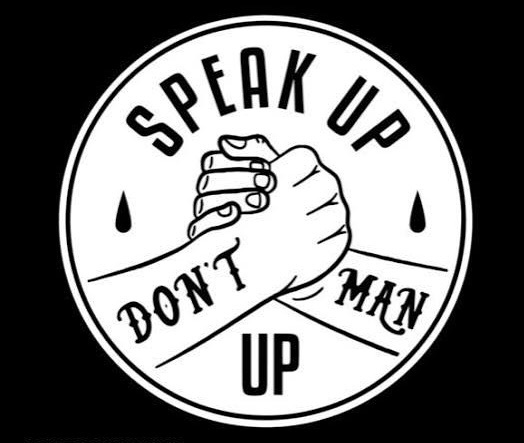
As emphasized earlier, these unresolved emotional burdens can have devastating consequences, potentially leading to a faster death than any ailment. It is essential to recognize that seeking help and discussing one’s experiences is not shameful. A man should not bear the shame of his spouse’s character flaws. If a wife is unfaithful, the shame should be her’s, not yours. Similarly, if a man is struggling to provide for their spouse’s high standards, speak up rather than pushing yourself beyond endurance limits. It is always better for her to leave you than to bury you. Work at a pace that does not put your health at risk, once there is life, there is hope for a better tomorrow – Sir Stanley Ekezie


 Relationship blues and bliss
Leave a reply to Sir Stanley Ekezie – Relationship blues and bliss Cancel reply